


Benefits Following Job-Related Injuries
Workers' Compensation representation in El Paso for medical care, lost wages, and benefits after workplace injuries
Job-related injuries trigger a system designed to provide medical treatment and partial wage replacement without requiring workers to prove employer fault, but the process involves claim filings, benefit determinations, and disputes that often require legal guidance to navigate effectively. Workers' compensation issues arise when employers or insurance carriers delay medical approvals, dispute the extent of injuries, or contest whether the harm is work-related, creating obstacles for injured workers who need treatment and income support. Law Office of Fredrick Mandell addresses workers' compensation cases in El Paso, representing workers through the claim process and resolving disputes when benefits are denied, delayed, or inadequate given the documented injury.
The workers' compensation system in Texas differs from other workplace injury claims because it provides defined benefits through a no-fault framework, meaning injured workers receive medical care and wage replacement regardless of who caused the accident. However, this system also limits the types of compensation available and requires adherence to specific procedural steps that, if missed, can result in claim denials.
Request a free consultation to review your workers' compensation claim and address any disputes that have arisen.
Our Services
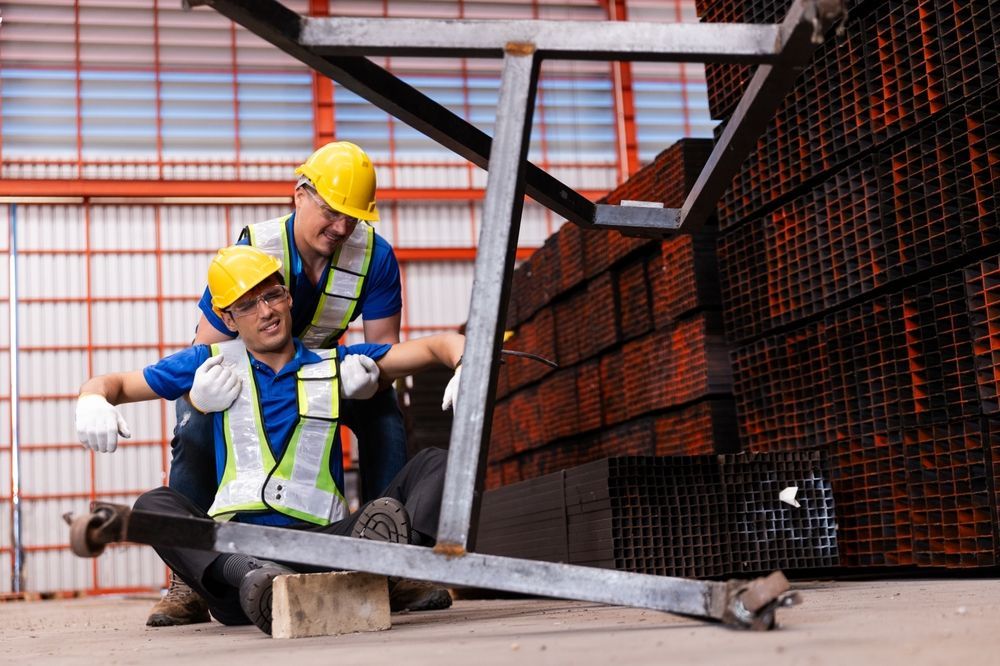
What Workers' Compensation Covers and How Claims Progress
Workers' compensation provides coverage for medical treatment directly related to the injury, temporary income benefits while you are unable to work, and in some cases, permanent impairment benefits if the injury results in lasting functional limitations. The process begins with reporting the injury to your employer within a specified timeframe and filing a claim with the insurance carrier, which then determines whether to accept or dispute the claim based on medical evidence and incident details.
Disputes arise when carriers deny claims on grounds that the injury is not work-related, contest the medical necessity of certain treatments, or challenge disability ratings that determine benefit amounts. Representation involves gathering medical records, employment documentation, and expert opinions when necessary to support your claim and challenge decisions that do not align with the evidence. In cases involving permanent injuries, the legal work also addresses benefit calculations and long-term entitlements based on impairment ratings assigned by medical professionals.
Workers' compensation is distinct from third-party workplace injury claims that pursue liability against non-employer parties such as equipment manufacturers or subcontractors. When both pathways apply, representation may involve coordinating workers' compensation benefits with third-party settlements to ensure injured workers receive maximum recovery under the law. The firm's workplace injury focus means these overlapping claim types are evaluated together during the initial consultation.
Answers to Frequent Workers' Compensation Questions
Workers navigating the claim process often need clarity about their rights, timelines, and what happens when disputes arise.
What should I do immediately after a workplace injury?
Report the injury to your employer as soon as possible, ideally in writing, and seek medical treatment. Texas law requires reporting within 30 days to preserve your right to benefits, though earlier reporting helps establish that the injury is work-related.
What benefits does workers' compensation provide?
The system covers medical treatment for the injury, temporary income benefits if you cannot work while recovering, and permanent impairment benefits if the injury causes lasting functional limitations. It does not cover full lost wages or damages available through other types of injury claims.
What happens if my claim is denied?
You have the right to dispute the denial through the Texas Division of Workers' Compensation, which involves presenting medical evidence, employment records, and incident documentation to challenge the insurance carrier's decision. Representation ensures the dispute is handled within required timeframes and procedural rules.
Can I pursue other legal claims in addition to workers' compensation?
If a third party such as a manufacturer, contractor, or property owner contributed to your injury, you may have a separate liability claim that provides compensation beyond workers' compensation limits. These claims require proving fault, which is not required in workers' compensation cases.
How long does the workers' compensation process take in El Paso?
The timeline depends on whether the claim is accepted without dispute, the severity of the injury, and whether you need ongoing treatment or permanent impairment evaluation. Straightforward claims may resolve in weeks, while disputed claims or those involving permanent injuries can extend for months or longer.
Law Office of Fredrick Mandell offers free consultations for workers in El Paso facing workers' compensation disputes or needing guidance through the claim process. Call to arrange your case review.