


Crashes That Require Commercial Vehicle Investigation
Big Rig Accidents in El Paso for collisions involving tractor-trailers and commercial trucking operations
Law Office of Fredrick Mandell represents clients injured in collisions with tractor-trailers and commercial vehicles throughout El Paso. These crashes differ from passenger car accidents because multiple parties may share responsibility, including the driver, the trucking company, the cargo loader, the maintenance contractor, or the vehicle owner. Evidence deteriorates quickly after a commercial vehicle crash, making early investigation critical to preserving logbook records, electronic control module data, maintenance logs, and driver qualification files.
Big rig accidents often involve federal motor carrier safety regulations that govern hours of service, vehicle maintenance, load securement, and driver training. Trucking companies and their insurers typically deploy investigators and legal teams immediately after serious crashes, making it essential to secure your own representation before statements are recorded or evidence is altered. El Paso's position along Interstate 10 and proximity to cross-border freight routes creates high volumes of commercial truck traffic, increasing the frequency of these collisions on local highways and interchanges.
Schedule a free consultation to discuss your collision and the evidence preservation steps that apply to your situation.
Our Services
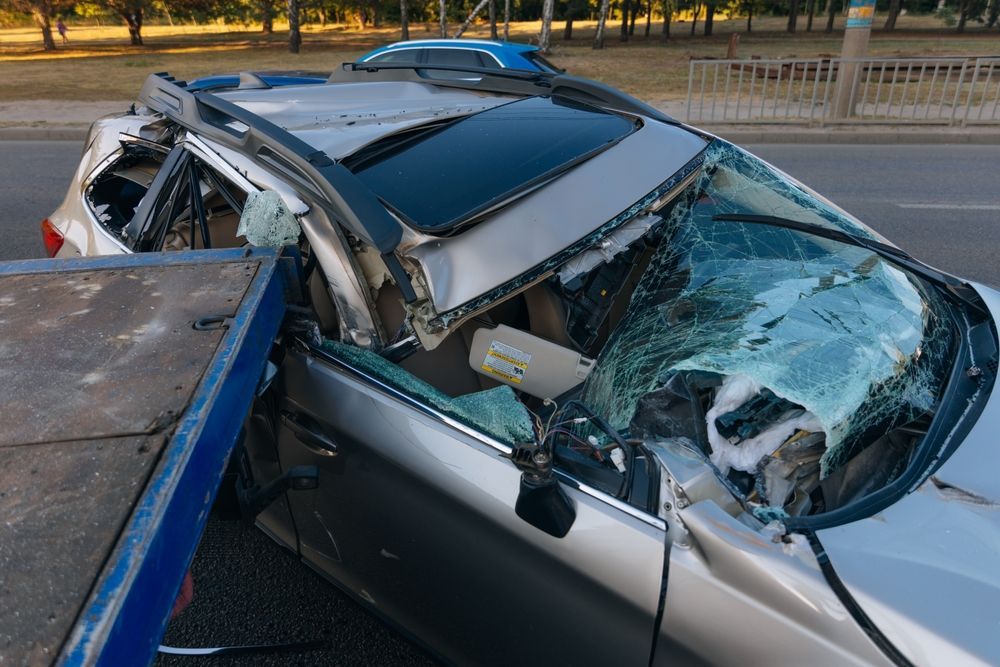
What Proper Commercial Crash Investigation Requires
Investigating a big rig accident involves obtaining the truck's electronic logging device data, which records speed, braking, and engine performance in the moments before impact. Preservation letters are sent to the trucking company, the insurer, and any third-party logistics providers to prevent destruction of driver logs, inspection reports, cargo manifests, and dispatch communications. Many trucking operations involve lease agreements or independent contractor arrangements that complicate liability, requiring analysis of contracts and operating authority documents to identify all responsible parties.
After proper investigation, you will know whether the driver violated hours-of-service limits, whether the truck was overloaded or improperly maintained, and whether the company failed to conduct required background checks or drug testing. This information shapes how liability is assigned and which insurance policies apply. Federal motor carrier policies typically carry higher limits than passenger vehicle coverage, but accessing those funds requires demonstrating that the driver was operating within the scope of employment and that company policies or practices contributed to the crash.
Representation includes coordinating with accident reconstructionists when skid marks, debris fields, and vehicle damage tell a story different from initial police reports. Trucking companies often argue that passenger vehicle drivers caused the collision, making independent analysis of the crash scene and witness statements essential to countering those defenses.
Questions Before Starting Your Case Review
Commercial vehicle crashes raise questions about evidence, liability, and the steps involved in civil representation. The following addresses common concerns from individuals injured in big rig collisions.
What evidence should be preserved after a truck accident?
Electronic logging device data, driver qualification files, vehicle maintenance records, cargo loading documents, and dispatch communications are all subject to routine deletion or destruction, making preservation letters critical within days of the crash.
How does liability differ in commercial truck cases compared to passenger vehicle crashes?
Liability may extend beyond the driver to the trucking company, the leasing company, the cargo shipper, the maintenance provider, or the broker who arranged the load, depending on employment relationships and contractual obligations under federal motor carrier regulations.
What role do federal regulations play in big rig accident cases?
Federal motor carrier safety regulations govern driver hours, vehicle inspections, load securement, hazardous materials transport, and driver qualification, and violations of these rules can establish negligence in civil claims.
How long does the investigation process typically take?
Initial evidence preservation occurs within the first week, while full investigation including expert analysis of electronic data, maintenance records, and company policies may take several months depending on the complexity of the trucking operation and the number of potentially responsible parties.
What should I do if the trucking company's insurer contacts me after the crash?
Avoid providing recorded statements or signing authorizations until you have consulted with representation, as insurers use early statements to limit liability and shift fault to the injured party.
Law Office of Fredrick Mandell offers free consultations to review the circumstances of your collision and the investigation steps necessary to identify responsible parties. Call (915) 351-7959 to discuss your case and evidence preservation timeline.